


How to Spot Quality Pizza Before the First Bite
A great pizza announces itself before you take a bite. The box carries a warm, baked aroma rather than a heavy smell of oil, the slice holds its shape when lifted, and the surface looks lively instead of flat. Knowing how to spot quality pizza means paying attention to those early signals, then noticing whether the crust, sauce, cheese and toppings work together once the slice is in hand.
For New York-style pizza, that balance matters even more. A large, foldable slice should be satisfying without being floppy, crisp without being cracker-like, and generously topped without collapsing under its own weight. It is a simple food, but it leaves very little room to hide poor preparation.
How to spot quality pizza by looking at the crust
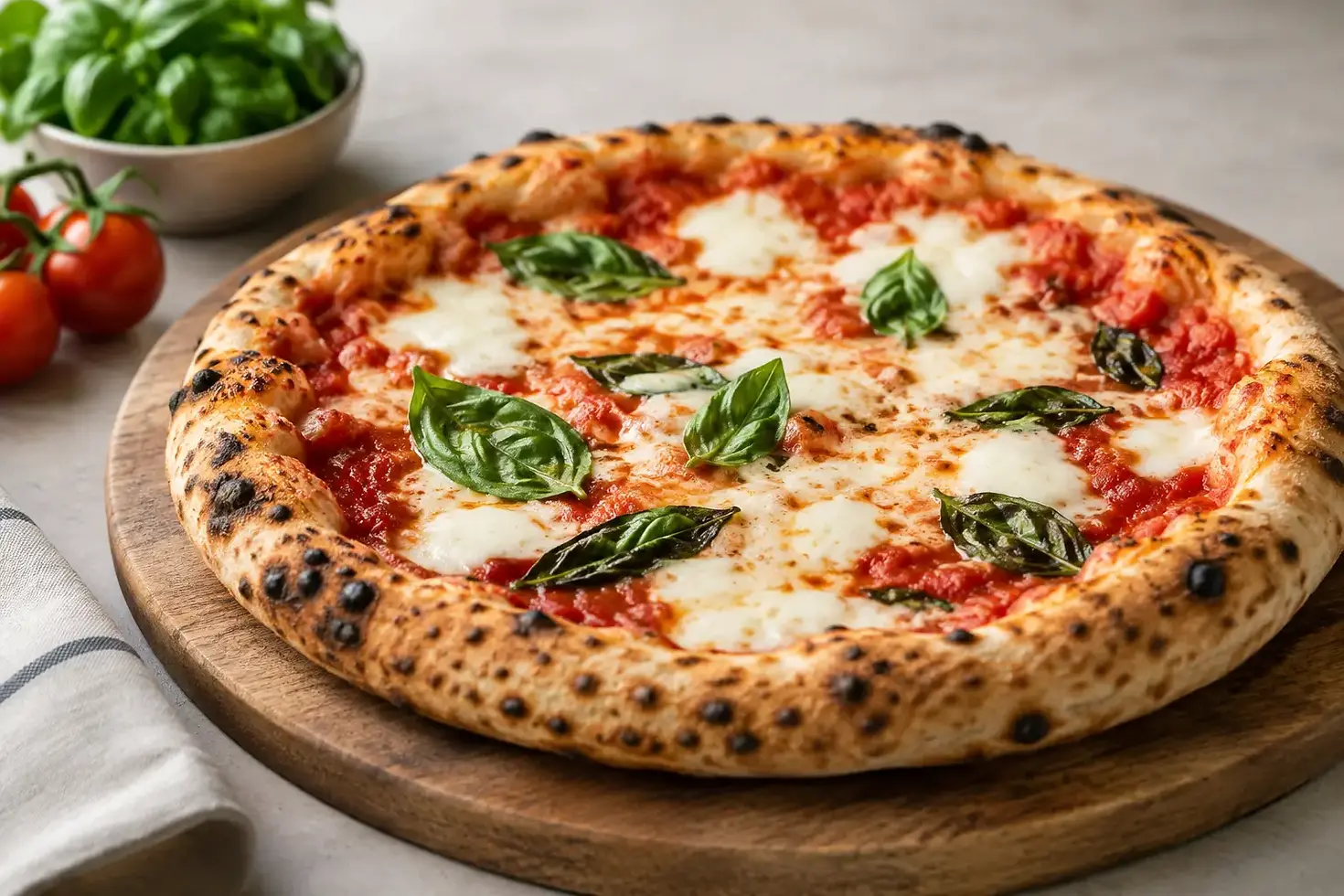
The crust tells you a great deal about the pizza before the toppings enter the conversation. Look at the outer edge first. It should be browned, with a few darker blisters and a little variation in colour. A uniformly pale rim often points to an underbaked pie, while a very dark, dry-looking edge can mean it has spent too long in the oven.
On a New York-style slice, the bottom should have some structure and colour. It does not need to be hard, but it should resist a little when you pick it up. The centre may flex, especially on a large slice, yet it should not immediately droop into a wet triangle. That contrast between a crisp base and a tender interior is one of pizza's best textures.
A quality crust also tastes like something on its own. It should have a clean wheat flavour, a gentle savoury note and enough fermentation character to be interesting without becoming sour. If the crust is bland, tough or oily, more cheese will not fix it.
The fold test has limits
Folding a New York-style slice is practical and traditional, but it is not a pass-or-fail test. A fresh, hot slice with a generous layer of cheese may soften briefly in the middle. What matters is whether the slice recovers as it cools and whether the base has enough strength to carry the topping.
The real concern is a crust that stays limp from the first bite to the last, particularly if the box is not overly steamy. Good dough, thoughtful stretching and a proper bake all contribute to a slice that bends without giving up.
Read the sauce, cheese and the space between them
Pizza sauce should taste like tomatoes, not sugar or dried seasoning. It needs brightness and enough salt to support the cheese, but it should not overwhelm the dough. On a quality pie, the sauce is spread with restraint. You can see it in places, and you can taste it in each bite, but it does not soak through the crust.
Cheese should be fully melted and evenly distributed, with a few golden spots where the heat has done its work. It should stretch pleasantly, then break cleanly when you bite. A thick, unbroken blanket of cheese can look generous, but it often traps steam and makes the centre soggy.
The most telling detail is the boundary between sauce and cheese. When the pizza is well made, those elements are distinct but connected: tomato brightness, creamy dairy richness and baked dough arrive together. When they blur into a greasy layer, the slice can feel heavy even when the toppings are minimal.
Freshness matters here. Cheese applied at the right moment, sauce that has been handled carefully and pizza served soon after baking all produce a cleaner finish. Quality is not necessarily about using the most elaborate ingredient. It is about choosing good ingredients and treating them consistently.
Toppings should add flavour, not weight
A quality pizza does not need a mountain of toppings to feel generous. Each ingredient should have a reason to be there, and it should be cut and placed so the slice stays easy to eat. Pepperoni should cook evenly and bring savoury character. Vegetables should be prepared to avoid releasing too much water. Meat should taste seasoned and fresh, not simply salty.
This is where preference matters. Some people want a straightforward cheese slice; others want a fully loaded pie for a group dinner. Both can be excellent. The standard is not minimalism. The standard is whether the toppings are balanced with the dough, sauce and cheese rather than piled on with no regard for the bake.
Watch for ingredients that slide off in one piece, cold toppings sitting on top of melted cheese, or a centre that turns watery under vegetables. Those are signs that the pizza may have been assembled without enough attention to timing or moisture.
A good slice tastes balanced at the end
The first bite is easy to judge because it is hot and exciting. The last bite is more revealing. Does the crust still have flavour? Has oil pooled on the plate? Does the sauce become overly sweet once the cheese is gone? A well-made pizza finishes cleanly and leaves you ready for another slice, not reaching for a napkin after every bite.
That clean finish is often the difference between pizza that is merely filling and pizza you remember. Salt, fat, acidity and heat should all be present, but none should dominate the others.
Look for consistency, especially when ordering takeout
A beautiful pizza in a restaurant kitchen is one thing. A quality takeout or delivery pizza also has to travel well. The box should protect the pie without trapping excessive steam, and the pizza should arrive warm enough for the cheese and crust to remain in good condition.
Some softening during a trip is normal. Pizza is hot food in a closed box, and a long delivery route changes the experience. But a quality-focused pizzeria plans for that reality through its dough, bake, portioning and packaging. The slice should still have a defined crust and toppings that stay put when it reaches your table.
For pickup, opening the box soon after you get home can help release steam. If you are feeding a group, serving the pizza promptly is one of the easiest ways to enjoy it at its best. A fresh pie is not meant to be admired for twenty minutes before the first slice is lifted.
Consistency also shows up across orders. A reliable pizzeria produces a familiar standard whether you are grabbing a slice on the go, ordering a family dinner or arranging food for a workplace gathering. One excellent pie can happen by chance. Repeatedly good pizza reflects disciplined preparation.
Ask simple questions about how the pizza is made
You do not need to interrogate a pizzeria to make a better choice. A few clear details tell the story: Is the dough made in-house? Are pizzas baked to order? Is the menu built around a specific style? Does the restaurant make the same pizza with care for single slices, pickup orders and larger catering requests?
Those questions point to the systems behind the finished pie. Dough made in-house gives a kitchen more control over texture and consistency. Fresh preparation gives toppings and cheese a better chance to perform well. A focused menu often means the team has spent time refining the details customers notice in every bite.
At Lambretta Pizzeria, New York-style pizza is built around that kind of everyday discipline: dough made in-house, premium ingredients and consistent preparation. Named Best Pizzeria in Canada in the Traditional Category at the 2026 Restaurants Canada Show, the Davenport Village pizzeria brings the same quality-first approach to quick slices, dinner pickup, delivery and catered group meals.
Trust your own preferences, but know what you are tasting
There is no single correct way to enjoy pizza. You may prefer a darker bake, extra sauce, a crispier base or a classic cheese slice with very little else on it. Those preferences are personal. Quality is about whether the pizza delivers its intended style with care and balance.
The next time you open a pizza box, take five seconds before reaching for a slice. Notice the aroma, lift the point, look at the underside and pay attention to how the crust, sauce and cheese meet. Good pizza is rarely mysterious. It is the result of small decisions made well, and those decisions are right there on the plate.


